
Capturing Street Art: A Traveler’s Guide
Updated: 3 days ago
Street art is more than just paint on walls; it’s a vibrant expression of culture, identity, and community. For travelers, it offers a unique lens through which to view a city. Whether you’re wandering through the alleys of Berlin or exploring the streets of Buenos Aires, street art can tell stories that guidebooks often overlook. This guide will help you navigate the world of street art, offering tips on where to find it, how to capture it, and the best practices for appreciating this dynamic form of art.

Understanding Street Art
What is Street Art?
Street art encompasses a variety of artistic expressions found in public spaces. This can include graffiti, murals, stencils, and installations. Unlike traditional art forms, street art is often created without permission and is meant to be viewed by the public. It can serve as a form of protest, a way to beautify urban environments, or simply an expression of creativity.
The Evolution of Street Art
Street art has evolved significantly over the decades. Initially associated with vandalism, it has gained recognition as a legitimate art form. Artists like Banksy and Shepard Fairey have brought street art into galleries and museums, challenging perceptions and elevating the medium. Today, cities around the world celebrate street art through festivals and dedicated spaces, recognizing its cultural significance.
Finding Street Art
Researching Locations
Before you embark on your street art adventure, do some research. Many cities have specific neighborhoods known for their vibrant street art scenes. Here are a few notable examples:
Berlin, Germany: The East Side Gallery, a preserved section of the Berlin Wall, features murals from artists worldwide.
Melbourne, Australia: Hosier Lane is famous for its ever-changing street art, making it a must-visit for art lovers.
Lisbon, Portugal: The city’s streets are adorned with stunning murals, particularly in the Bairro Alto and Alfama districts.

Utilizing Online Resources
Several websites and apps can help you locate street art in various cities. Platforms like Street Art Cities and Instagram can provide insights into the best spots to visit. Look for hashtags related to street art in your destination to discover hidden gems.
Capturing Street Art
Photography Tips
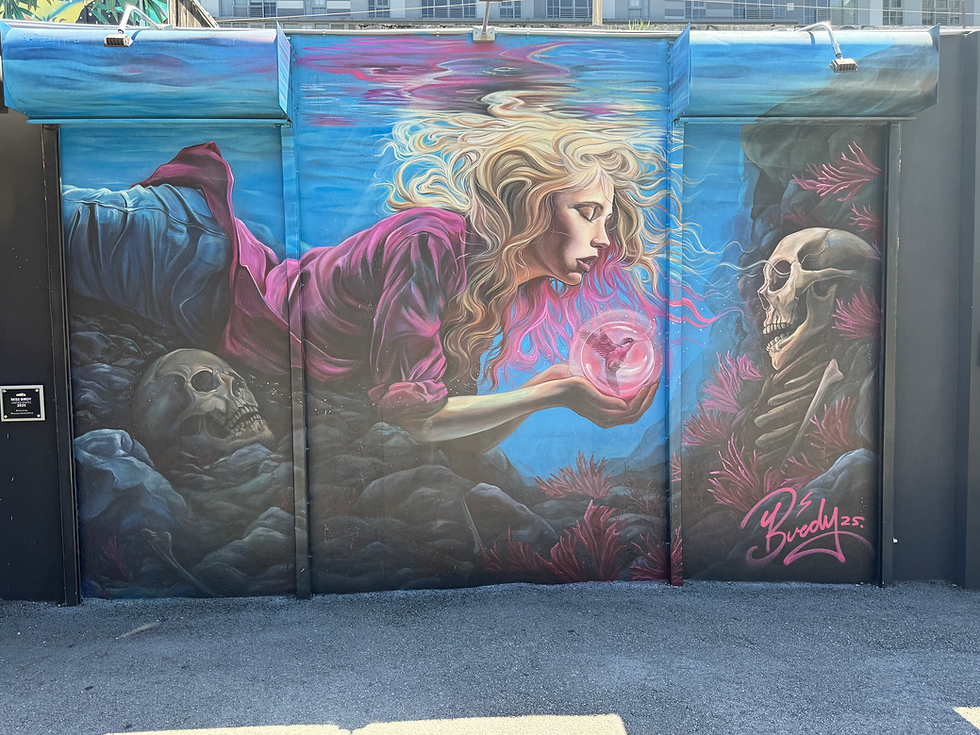
Capturing street art can be a rewarding experience, but it requires some skill. Here are some tips to help you take stunning photos:
Lighting: Natural light is your best friend. Early morning or late afternoon provides soft lighting that enhances colors.
Angles: Experiment with different angles. A low angle can make a mural appear more imposing, while a high angle can provide context within the surrounding environment.
Details: Don’t forget to capture close-ups of intricate details. This can reveal the artist’s
technique and add depth to your collection.
Equipment Recommendations
While you can capture street art with any camera, having the right equipment can enhance your results. Consider the following:
DSLR or Mirrorless Camera: These cameras offer better quality and versatility.
Wide-Angle Lens: Ideal for capturing large murals or street scenes.
Tripod: Useful for low-light situations or when you want to ensure stability.
Engaging with Street Art
Respecting the Art and Artists
When exploring street art, it’s essential to respect both the artwork and the artists. Here are some guidelines to follow:
Do Not Vandalize: Avoid tagging or altering existing artwork. This undermines the artist’s work and the community’s efforts.
Ask for Permission: If you want to photograph an artist at work, politely ask for their permission. Many artists appreciate the recognition and may even share their story with you.
Support Local Artists: Consider purchasing prints or merchandise from local artists to support their work.
Participating in the Community
Many cities host street art festivals, workshops, and tours. Participating in these events can deepen your appreciation for the art form and connect you with like-minded individuals. Look for local events during your travels to engage with the community.
The Impact of Street Art
Social Commentary
Street art often serves as a powerful form of social commentary. Artists use their work to address issues such as inequality, environmental concerns, and political unrest. For example, the murals in the favelas of Rio de Janeiro often reflect the struggles and resilience of the local community.
Cultural Identity
Street art can also be a reflection of cultural identity. In many cities, artists draw inspiration from their heritage, creating pieces that celebrate their roots. This can foster a sense of pride and belonging within the community.

Conclusion
Street art is a dynamic and evolving form of expression that offers travelers a unique perspective on the places they visit. By understanding its history, finding the best locations, capturing stunning photographs, and engaging with the community, you can enrich your travel experience. So grab your camera, hit the streets, and discover the stories waiting to be told through the vibrant world of street art.
As you embark on your journey, remember to respect the art and the artists, and let the colors and creativity inspire you. Happy exploring!


Crazy that in an article on art there is only one pic. Come on! Inspire me!